Building an Autonomous Content Pipeline with Claude Code
The Pipeline
I built an autonomous content pipeline using Claude Code. The system runs three phases in sequence: Observer, Strategist, and Marketer.
Each phase is an independent Claude session that reads the previous phase’s output and generates the next step.
What Broke
After 6 rounds of testing, I found 9 bugs:
- Parallel execution conflicts: Cron jobs fired all 3 phases simultaneously. The Strategist hadn’t finished when the Marketer started.
- Theme duplication: Without an exclusion list, the pipeline kept picking the same topic.
- Self-reported quality checks: The AI was checking its own work and always passing itself.
Every single bug was in the harness — the environment around the model — not in the model itself.
The Fix
I switched from time-based cron to event-driven chaining with after dependencies. Each phase only starts when the previous one completes.
# Before: all fired at the same time
observer: "0 7 * * 1"
strategist: "0 7 * * 1"
marketer: "0 7 * * 1"

# After: event-driven chain
observer: "0 7 * * 1"
strategist:
  after: observer
marketer:
  after: strategist
Takeaway
AI agent quality is determined outside the AI. The model is the chef — but if the kitchen is broken, no chef can cook.
Want to go deeper?
This article shows one piece. The full system — five vendor interpretations, six building blocks, and the implementation patterns from AGENTS.md to Self-Evolving Agents — is in Harness Engineering — From Using AI to Controlling AI.
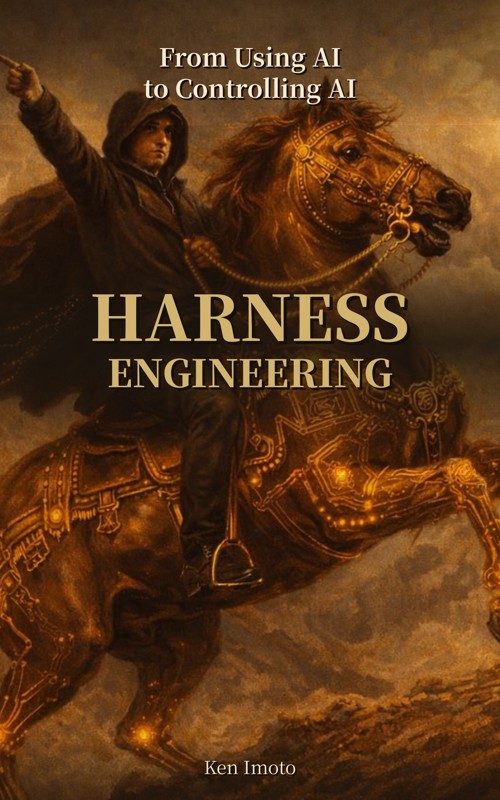 Related book Harness Engineering Five interpretations from OpenAI, Anthropic, LangChain, Martin Fowler, and academia — merged into one system for engineers running AI agents in production View the book page →
 Was this article helpful?